What are Apple desktop computers called?
Customizing your Apple desktop setup
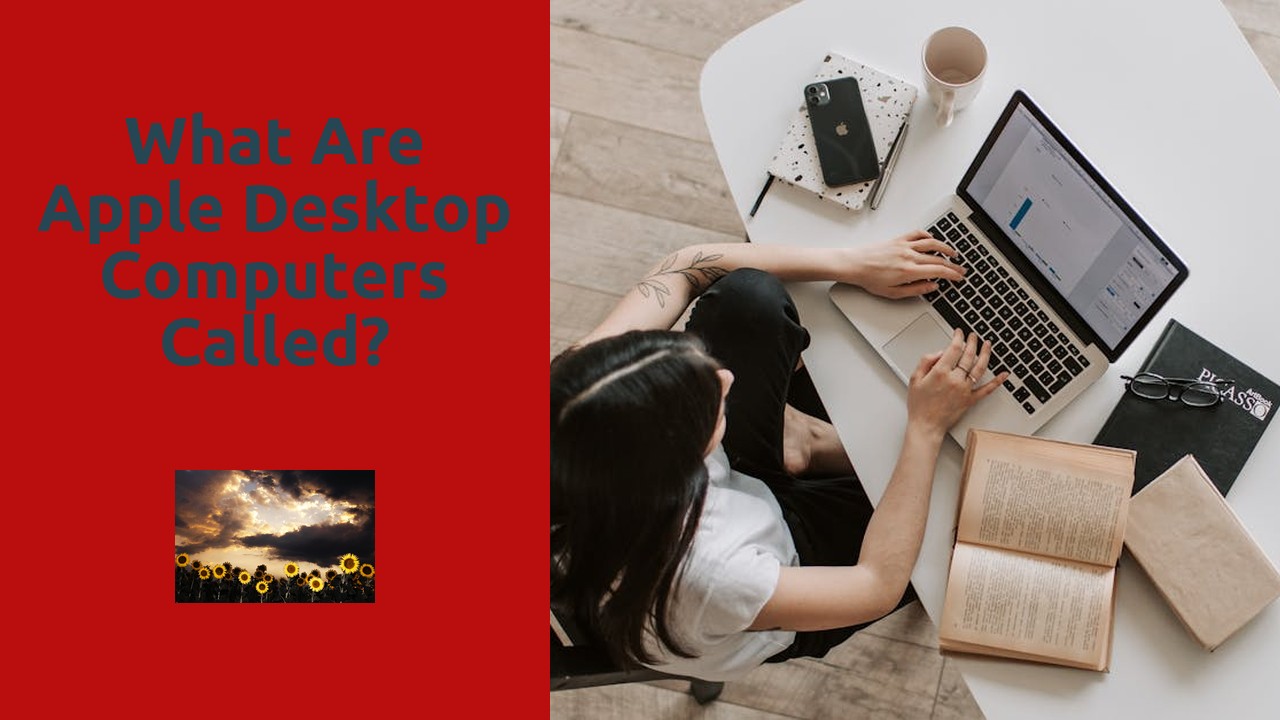
When customizing your Apple desktop setup, consider the importance of optimizing your workspace for efficiency and productivity. Begin by selecting a comfortable and ergonomic chair to support good posture during extended computer use. Adjust the height of your desk to ensure your arms are at a comfortable angle while typing and using the mouse. Additionally, incorporating task lighting that reduces glare and minimizes eye strain is essential for a well-rounded workspace.
Enhance your desktop setup by investing in a high-resolution monitor that accommodates your workflow needs. A larger screen provides ample space for multitasking and viewing content with clarity. Utilize external storage solutions such as hard drives or cloud storage to keep your files organized and easily accessible. Personalize your workspace with plants, artwork, or decorative items that inspire creativity and create a positive work environment.
Choosing the right peripherals and accessories
When selecting peripherals and accessories for your Apple desktop computer, it is important to consider your specific needs and how you plan to use your system. One key aspect to keep in mind is compatibility. Ensure that the peripherals you choose are compatible with your Apple desktop model to avoid any connectivity issues or functionality challenges. This includes items such as monitors, keyboards, mice, printers, external hard drives, and other devices you may use in conjunction with your computer.
Another important factor to consider when choosing peripherals and accessories for your Apple desktop is the quality of the products. Investing in reliable and high-quality accessories can enhance your overall computing experience, providing better performance and longevity. Research different brands and read reviews to determine which peripherals offer the best value for your needs. Additionally, consider factors such as warranty coverage and customer support to ensure that you are making a wise investment in accessories that will complement your Apple desktop computer.
Troubleshooting common Apple desktop issues
One common issue that Apple desktop users may encounter is a slow performance. This can be frustrating when trying to complete tasks efficiently. To address this, start by checking for any unnecessary applications running in the background that may be consuming system resources. Additionally, ensure that your desktop computer has sufficient storage space available and consider upgrading the RAM if needed.
Another frequent problem that users face is software crashes or freezes. When this occurs, try force-quitting the unresponsive application by pressing Command + Option + Escape on your keyboard. If the issue persists, restarting your computer may help resolve the problem. It's also advisable to keep your operating system and applications up to date to prevent software conflicts that could lead to crashes.
Tips for resolving software and hardware problems
Troubleshooting software and hardware issues on your Apple desktop computer can sometimes be a challenging task. When experiencing software glitches, it is recommended to start by checking for system updates. Updating your operating system and applications can often resolve common issues related to performance and functionality. If the problem persists, restarting your computer may also help in clearing temporary system errors.
For hardware problems, it is advised to check all physical connections and cables to ensure everything is properly connected. Sometimes, a loose cable or external device may be the root cause of hardware malfunctions. Additionally, running Apple's built-in hardware diagnostics tool can provide insights into any potential underlying hardware issues that need to be addressed. If you are unable to identify or resolve the problem on your own, reaching out to Apple Support or visiting an Apple authorized service provider could be the next step in getting your desktop back to optimal functionality.
Security measures for Apple desktop computers
To enhance the security of your Apple desktop computer, it is advisable to implement encryption and backup solutions. Encrypting your data adds an extra layer of protection, ensuring that even if someone gains unauthorized access to your computer, they will be unable to view sensitive information. Utilizing backup solutions such as Time Machine regularly can safeguard your data in case of hardware failures or other issues, allowing you to restore your system to a previous state easily.
In addition to encryption and backups, it is essential to keep your Apple desktop computer's operating system and software up to date. By installing the latest security patches and updates, you can shield your system from vulnerabilities that cyber attackers may exploit. Furthermore, employing strong and unique passwords for all your accounts, enabling two-factor authentication whenever possible, and being cautious with email attachments and links can significantly reduce the risk of falling victim to cyber threats.
Implementing encryption and backup solutions
Backing up your data is crucial for maintaining the security of your Apple desktop computer. By implementing regular backups, you can ensure that in the event of a system failure or data loss, you have a recent copy of all your important files. Utilize Apple's built-in Time Machine feature to schedule automatic backups. This will create incremental backups of your system, allowing you to go back in time and restore specific versions of files as needed.
Encryption adds an extra layer of security to your data by converting it into a code that can only be accessed with the correct decryption key. Apple desktop computers come with FileVault, a built-in encryption tool that secures your files and prevents unauthorized access. To activate FileVault, go to the System Preferences, then Security & Privacy, and select FileVault. By setting up encryption and backup solutions on your Apple desktop computer, you can safeguard your data and protect it from potential threats or unforeseen circumstances.
FAQS
What are the different models of Apple desktop computers available in the market?
The current lineup of Apple desktop computers includes the iMac, iMac Pro, Mac Mini, and Mac Pro.
Are Apple desktop computers user-friendly for beginners?
Yes, Apple desktop computers are known for their intuitive user interface and ease of use, making them suitable for beginners.
Can I upgrade the components of my Apple desktop computer?
Upgradability varies based on the model of the Apple desktop computer. While some components like RAM are user-upgradeable in certain models, others may have limited upgrade options.
Do Apple desktop computers come with built-in security features?
Yes, Apple desktop computers come with built-in security features like Gatekeeper, FileVault, and Secure Boot to help protect your data and privacy.
What operating system do Apple desktop computers run on?
Apple desktop computers run on macOS, which is specifically designed to work seamlessly with Apple hardware for optimal performance and user experience.